
Services · Hair Restoration
Hair Restoration
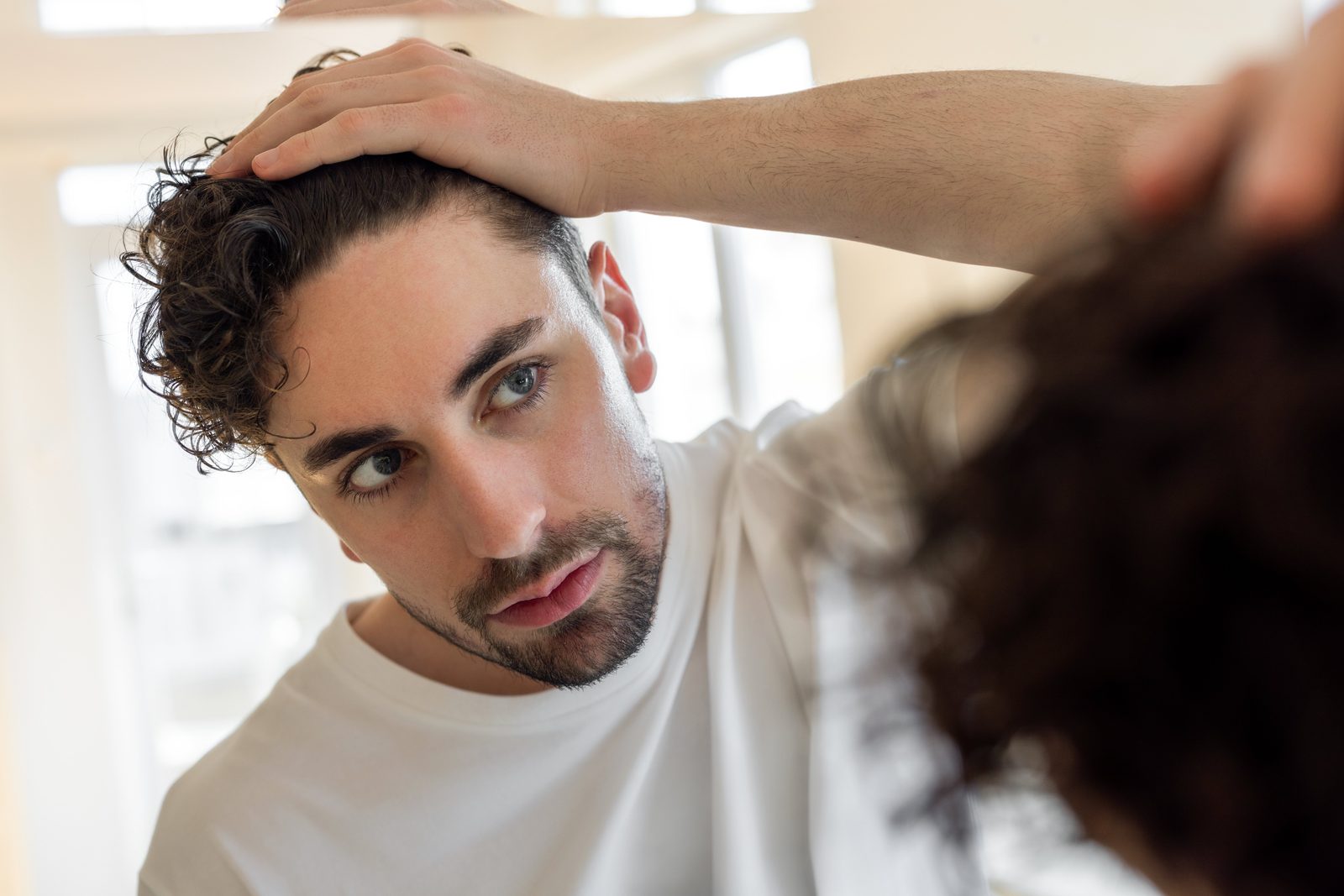
Hair loss is one of those things most people think they have to just accept. You don't. The science of hair restoration has come a long way, and for the majority of patients who start treatment early enough, we can slow it, stop it, or reverse it, without surgery, without gimmicks, and without spending a fortune.
This page walks through what hair loss actually is, what causes it, and the medical options our partnering providers use to treat it. The earlier you start, the more we can preserve, but it is often not too late to do something useful.
The earlier we intervene, the more hair we keep.
Early signs worth noticing
The hardest part of hair loss to recognize is the slow, gradual kind, the kind where you don't notice it until you compare a photo from three years ago. Common early signals:
- —A slowly receding hairline at the temples
- —Thinning at the crown that's only visible from above
- —Your hair looking thinner when it's wet
- —Needing shorter styles to hide thinning areas
- —A widening part
- —Itchy or oily scalp alongside shedding
- —Hair texture changing into finer and weaker strands
What's actually going on
Hair loss is usually a combination of genetics and hormones, sometimes amplified by lifestyle or health factors. Understanding what's driving yours determines what will actually work:
Genetics and DHT sensitivity
Pattern hair loss is hereditary. Your follicles inherit a sensitivity to DHT, a byproduct of testosterone. Over time, DHT-sensitive follicles miniaturize and eventually stop producing visible hair.
Hormonal shifts
Testosterone and other hormones all influence hair growth. Imbalances can accelerate loss, and treating the underlying issue often slows or reverses the shedding.
Stress and illness
Major stress, surgery, illness, or rapid weight loss can push hair into a shedding phase weeks or months later. This is usually temporary, but it's worth identifying so we don't treat the wrong thing.
Scalp health
Chronic inflammation, dandruff, and untreated scalp conditions create an environment where hair struggles to grow. Sometimes the scalp is the real problem.
Conditions we treat
Not all hair loss is the same. Identifying which type you have is the first step toward treating it effectively:
Androgenetic alopecia (pattern hair loss)
The most common cause of hair loss. Gradual thinning at the crown and temples, driven primarily by DHT sensitivity in genetically predisposed follicles. Highly treatable, especially when caught early.
Telogen effluvium
Sudden, diffuse shedding triggered by stress, illness, surgery, medication, or rapid weight loss. Usually temporary and reversible once the underlying trigger is addressed.
Traction alopecia
Hair loss from chronic pulling, including tight hairstyles, hats, or repetitive grooming. Reversible if caught before scarring. We will walk through prevention either way.
Post-finasteride or post-illness shedding
Some patients experience a shedding phase after starting or stopping medication, or after COVID and other illnesses. We help you understand what's normal versus what needs investigation.
Treatments we may prescribe
Tap any treatment to learn more. The best plan is usually a combination, with different mechanisms working together, and the right combination depends on what's driving your specific case.
This list is educational. Specific medications, dosing, and combinations are decided during your consultation based on your labs, history, and any other prescriptions you take.
What to expect
Hair restoration is a long game, but a predictable one. Here's how the process unfolds:
- 01
Confidential consultation
We look at your hair, your history, and your goals. Be prepared to provide photos if you have them, as comparison is how we measure progress.
- 02
Targeted lab work
We run a comprehensive panel designed to give us a complete picture of what is actually going on. Not just the basics, but the markers that matter.
- 03
Personalized, evidence-based treatment plan
Your provider builds a plan grounded in what the research actually supports for your pattern, severity, and goals. Usually a combination of therapies that work through different mechanisms.
- 04
Discreet delivery
Medications ship in plain packaging directly to you. No pharmacy counter, no awkward conversations.
- 05
Patience and adjustment
Real results take 3–6 months to start and 12 months to judge fully. We track progress with photos, check in regularly, and adjust the plan as your hair responds.
The best time to start was five years ago. The second best time is now.
Hair loss feels like something that's just happening to you, but it's one of the most treatable issues we see. The patients who are happiest with their results are the ones who started before they thought they needed to. Whenever you're ready, we're here.